
Designing Your Intensive Can Start Today. Email: [email protected]
Brainspotting
Accessing What The Brain Has Stored
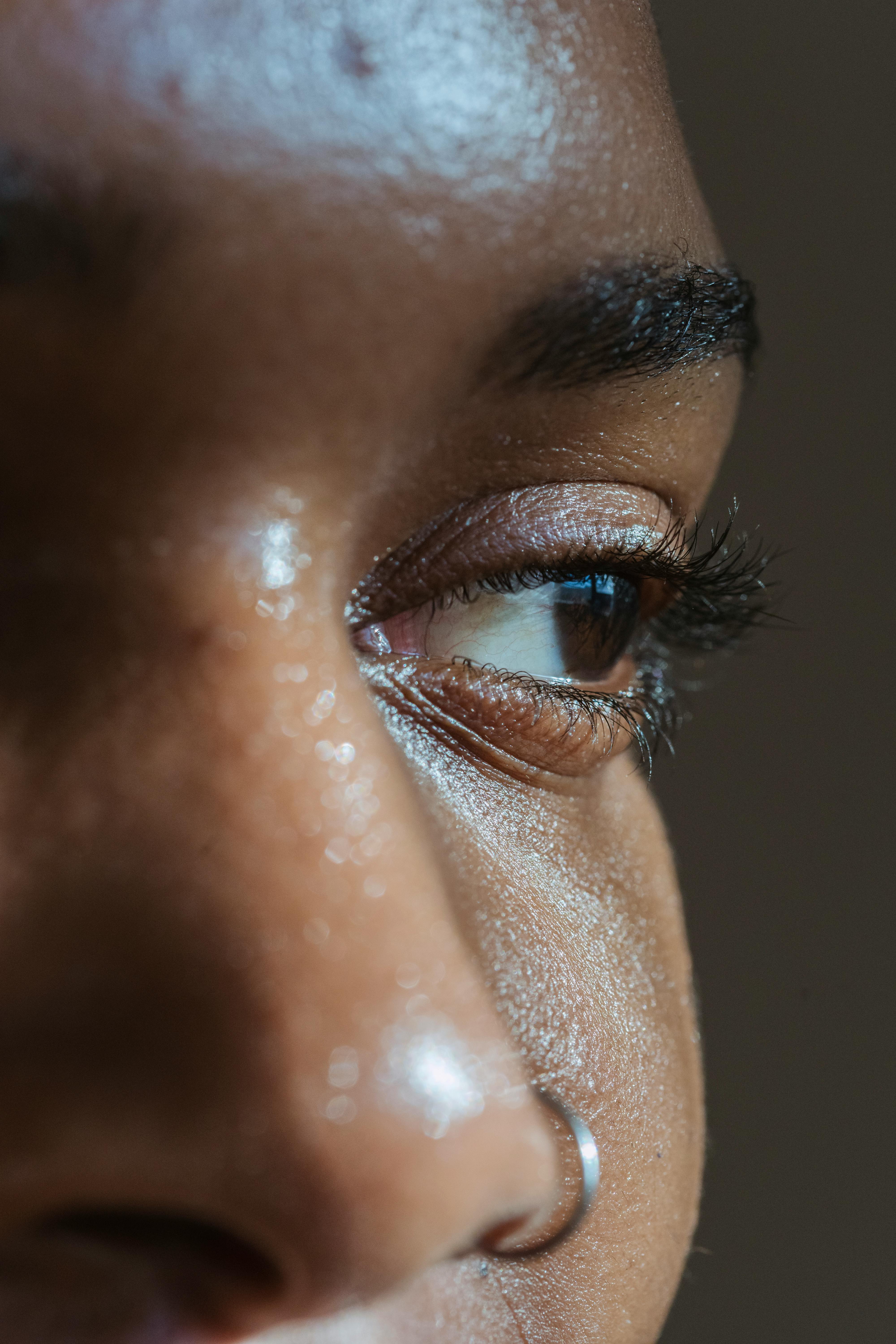
What is Brainspotting?
Brainspotting is a somatic therapy based on a simple but powerful principle: where you look affects how you feel.
Trauma and emotional pain are stored in the subcortex — the deeper, non-verbal part of the brain — and can be accessed through specific eye positions called brainspots. By locating and holding a brainspot while the therapist maintains attunement with the client, the brain is able to process and release what has been stored there, often reaching material that is completely inaccessible through verbal therapy.
Unlike talk therapy, brainspotting doesn't require you to describe or analyze what happened. The processing happens below the level of language — which is exactly where trauma lives.
How Can Brainspotting Be Used?
Brainspotting can be used for any memory or experience that carries an emotional charge — the felt sense of distress in the body that doesn't feel good.
This includes everything from upsetting everyday experiences like rejection or conflict, to significant trauma including abuse, violence, and war experiences. It is particularly effective for complex trauma, PTSD, anxiety, dissociation, and experiences that haven't responded to other forms of treatment.
✺ Alabama Intensives: Email [email protected] ✺
What A Session Feels Like
At the start of a brainspotting session you choose what you want to work on. Using a simple scale from zero to ten — where zero is neutral and ten is the maximum intensity of an emotion — we establish where you are starting. The therapist then helps you locate the eye position that corresponds to the stored experience.
Once the brainspot is found you hold that eye position while the processing takes place. You don't have to say anything — brainspotting is often a quiet therapy. You can share what you're noticing as it arises, or simply stay with the experience. Many clients describe the process as feeling like waves — the initial intensity is larger, but if you hold the position the waves gradually become smaller and smaller until the emotional charge subsides.
Brainspotting can vary in speed for processing. Each person is unique and sessions are well-suited for multi-hour intensives. You may notice other emotions that come up as you are processing the session. For intensives, more time is available to process any additional emotions which may surface.


Can Brainspotting Be Done Online?
Yes — brainspotting works well via telehealth. It is most effective on a full-sized laptop or desktop monitor. A tablet or phone screen is too small for the technique to work as effectively. Bigger is better when it comes to brainspotting online.
Email: [email protected] Call: 251-283-2112

Diana Sturm, Licensed Professional Counselor
Alabama #4426; Florida TPMC 1055
Email is preferred: [email protected]
Phone: 251-283-2112 Please leave a message.
The Mobile, Alabama location for in-person sessions is near Tillman's Corner or other mutually agreeable location. The address will be provided to current clients.
Online Sessions with secure HIPAA- compliant video platforms
Mail: PO Box 850053, Mobile, AL 36685-0053
Sessions are by appointment only.
View our Privacy Policy and Terms and Conditions here. © 2026. All Rights Reserved.


Florida residents – only online sessions are available. There are no in-person sessions available for Florida residents.
Florida Department of Health https://flhealthsource.gov/telehealth